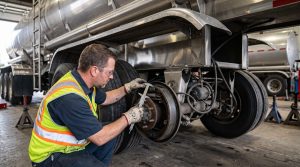
Stopping a heavy hazmat tank trailer requires huge braking power. Worn brake shoes increase stopping distance during an emergency stop. Mechanical failures mixed with heavy liquid surge often cause dangerous jackknife crashes. Heavy Liquid Surge Increases Stopping Risk Hazmat tank trailers carry heavy liquid loads ... Read More »
-
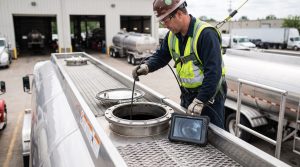
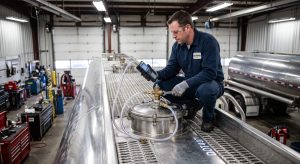
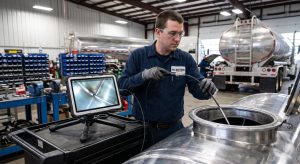
New Rules Modernize Hazmat Inspections Federal regulators have updated safety standards for cargo tank motor vehicles. The Pipeline and Hazardous Materials Safety Administration recently finalized modern rules for hazardous materials transport. These important changes give fleet operators safer ways to inspect equipment and find structural ... Read More »
-
Understanding Cargo Tank Pressure Relief Requirements Maintaining proper pressure limits in liquid cargo tanks is a critical safety task for fleet managers. Failed relief valves can lead to structural tank damage or chemical leaks during transit. The federal rules for hazardous materials transport are established ... Read More »

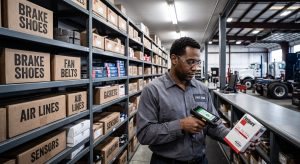
Treating your fleet parts room like a dusty storage closet is an expensive mistake. Misplaced brake shoes sit on shelves while broken trucks sit idle in repair bays. Emergency parts orders with overnight shipping fees will butcher your monthly operating budget. First-year fleet managers must ... Read More »
-
Ignoring cargo securement rules is a shortcut to broken equipment and massive fines. Overloaded trailers destroy truck brakes, ruin suspension systems, and invite heavy scale penalties. Additionally, loose freight creates severe safety hazards on busy public highways. First-year fleet managers must master weight distribution and ... Read More »
-
Ignoring your trailer tires until they explode on the highway is a terrible business strategy. Blowouts cause expensive towing fees, destroyed wheel rims, and angry customer calls. In addition, underinflated tires destroy fuel economy and wear out tread patterns prematurely. First-year fleet managers must build ... Read More »
-
Waiting for an engine explosion before servicing your truck is an awful strategy. Unplanned roadside breakdowns ruin delivery schedules and destroy operational budgets instantly. Towing fees and high shop labor rates will devour your monthly profit margins. First-year fleet managers must build a strict preventive ... Read More »
-
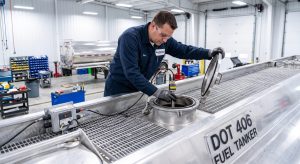
Preventing Overfill Spills at Fuel Racks Overfill prevention sensors stop fuel tank trucks from overflowing during bulk loading. These optic sensors tell terminal loading pumps when fuel reaches max tank level. If a sensor fails to send a signal, fuel can spill out of the ... Read More »
-
Why Tankers Need Emergency Shutoff Valves Emergency shutoff valves keep liquid cargo inside tank trucks during crashes. Federal safety rules require these valves on flammable liquid tankers to stop fuel spills fast. If a crash breaks external pipes, the emergency valve stays shut inside the ... Read More »
-
New PHMSA Rules Modernize Tank Inspections Federal regulators have updated safety standards for cargo tank motor vehicles. The Pipeline and Hazardous Materials Safety Administration, known as PHMSA, recently finalized modern rules for hazmat transport. These changes give fleet operators new ways to inspect equipment and ... Read More »