

Fleet Dash Cam Policies That Drivers Will Accept
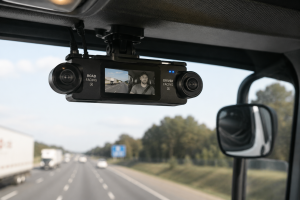
Dash cameras are one of the most effective safety tools available to commercial fleets today. They are also one of the fastest ways to damage driver trust if you roll them out badly. The technology is not the hard part. The policy behind it is.
Done right, a dash cam program protects your drivers, your company, and your CSA score. Done wrong, it creates resentment, turnover risk, and potential legal problems. Here is how to build a policy that actually works.
Why Fleets Are Installing Cameras
The business case for dash cams is strong and growing. With insurance premiums having jumped by nearly 50% over the past decade, and multimillion-dollar verdicts becoming more common, fleets need more than just a camera. Video evidence is increasingly the deciding factor in accident liability disputes. EROAD
Insurance companies increasingly recognize the value of video telematics. Documented safety improvements, combined with data-driven evidence from dash cams, often qualify fleets for reduced premiums. Over time, these savings can offset the cost of implementing the technology. GPS Insight
Beyond insurance, cameras create real coaching opportunities. Footage from actual driving situations is far more impactful in a safety conversation than a generic training video.
Forward-Facing vs. Driver-Facing: Know the Difference
Forward-facing cameras record the road ahead. They are widely accepted by drivers and rarely generate pushback. Driver-facing cameras, also called inward-facing or cab-facing cameras, record the driver. These are the ones that require a more careful policy conversation.
Using driver-facing cameras can raise privacy concerns, so it is important to be transparent with drivers about how dashboard cameras are used. Most fleets incorporate camera policies into their onboarding and safety training, clarifying that cameras are intended to improve driver safety, reduce insurance claims, and improve fleet safety. Brickhousegps
Modern AI-enabled driver-facing cameras can detect fatigue, distraction, phone use, and seatbelt non-compliance in real time. That capability is genuinely useful — but only if drivers understand it is there to help them, not surveil them.
Building a Policy That Holds Up
Your dash cam policy needs to be a written document, not a conversation. Develop detailed fleet camera privacy policies that outline the scope, purpose, and limitations of dash cam use. Make this policy part of the onboarding process and revisit it annually or when technology or regulations change. Safety Track
At minimum, your policy should address: who can access footage, how long recordings are stored, under what circumstances footage is reviewed, and how it will be used in coaching or disciplinary situations.
Insurers and regulators pay close attention to how fleets record, store, and use video. Juries weigh documentation and processes as much as footage itself. In other words, a sloppy policy can actually work against you when it matters most. EROAD
The Legal Landscape Varies by State
This is where many fleet managers get tripped up. Consent requirements for audio recording differ significantly from state to state. In many regions, obtaining consent from employees is required, especially if audio recording is involved. The legal landscape can vary, so fleet owners should always consult with legal counsel to ensure compliance with local laws. Brickhousegps
If you operate across multiple states, build your policy around the most restrictive requirements. That approach keeps you compliant everywhere without maintaining separate policies for each jurisdiction.
Frame It as a Safety Tool, Not Surveillance
Driver acceptance is the make-or-break factor in any camera rollout. Dash cams should never be used to punish employees unfairly. Use footage to coach drivers, not to catch them making mistakes. Frame the technology as a safety tool, not a surveillance weapon. Safety Track
Communicate that message clearly and repeat it consistently. When a camera catches a close call that was not the driver’s fault, share that story. When footage clears a driver in a disputed accident, make sure the team hears about it. Those examples build trust faster than any policy document.
Review Footage With a Coaching Mindset
Real-world footage offers teaching moments that generic training materials cannot match. Employers can highlight safe driving practices or review risky behaviors in coaching sessions. This approach makes driver education more relatable and impactful because it is based on actual events from the fleet’s operations. GPS Insight
Scheduled, consistent coaching sessions — not reactive punishment — are what make a dash cam program worth the investment. Build that expectation into your policy from day one.
For more on building a compliant camera framework, visit EROAD’s fleet dash cam legal guide: https://www.eroad.com/fleet-dash-cams/legal-experts-share-best-practices-for-using-video-telematics/

