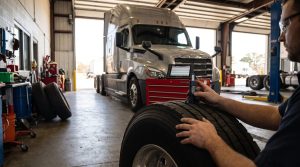
The Dreaded Shoulder Breakdown Call Nothing ruins a peaceful Tuesday morning quite like a panicked call from Interstate eighty. A drive tire blew out at highway speed. Now your driver sits stranded on a dusty shoulder waiting for roadside help. Meanwhile, an emergency road technician ... Read More »
-
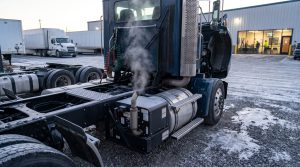
The Quiet Cash Burn in Your Yard Every new fleet manager quickly obsesses over diesel fuel prices. However, the biggest drain on your cash flow happens while your trucks sit still. Long idling burns roughly one gallon of diesel fuel every single hour. Furthermore, running ... Read More »

The Dreaded Camera Talk Putting safety cameras into your trucks sounds great in board meetings. However, telling veteran drivers about new cab cameras feels like walking into a storm. To many drivers, a dual-facing camera feels like a spy device. Dual-facing cameras record both the ... Read More »
-
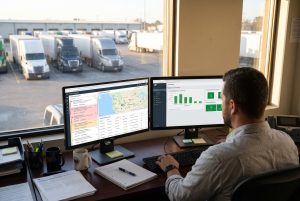
The Endless Dashboard Deluge Welcome to the busy world of modern fleet management. You probably took this job to run big trucks. Instead, you stare at blinking computer screens all morning. Modern tracking tools monitor speed, hard braking, and engine fault codes. In the industry, ... Read More »
-
The Dreaded Amber Filter Light Modern diesel emissions equipment will humble any ambitious rookie fleet manager within weeks. In fact, aftertreatment systems cause more surprise shop visits than almost any other truck component. Every modern heavy truck uses a diesel particulate filter, commonly known as ... Read More »
-
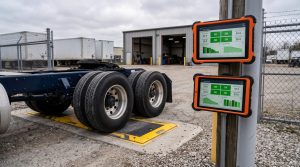
The High Price of Roadside Rubber Nothing ruins a quiet Tuesday morning like a shredded steer tire on Interstate 80. In fact, tire failures remain a leading cause of unscheduled fleet roadside downtime. You will quickly discover that replacement commercial tires carry shocking price tags. ... Read More »
-
The Cab Camera Shockwave Installing inward-facing dashboard cameras will test your diplomacy on day one. In fact, seasoned commercial drivers often view new cab cameras as pure surveillance. You might expect grateful applause for improving fleet safety. Instead, your morning coffee will get cold while ... Read More »
-
The Daily Alarm Clock of Doom Your telematics dashboard probably looks like a lit Christmas tree right now. In fact, modern onboard telematics devices pull thousands of data points every second. Telematics simply means the automated transmission of computerized data over long distances from your ... Read More »
Federal regulators have given industrial facilities more time to prepare for strict environmental rules. The Environmental Protection Agency recently delayed the deadline to submit Facility Response Plans by three full years. Facilities storing hazardous substances near water now have until June 2030 to complete these ... Read More »

Hazmat truck drivers must follow strict safety rules. Federal laws govern shipping papers, parking limits, tire checks, and safety valves. Knowing these core rules helps drivers avoid roadside fines and stay safe. Cab Papers and Vehicle Markings Drivers must keep shipping papers within arm reach ... Read More »