

New PHMSA Rules Ease IBC Unloading and Residue Hauls
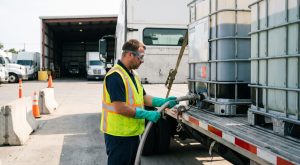
New federal rules make it easier for truck fleets to haul and unload intermediate bulk containers. Under updated safety codes, drivers can now unload approved chemical totes directly on a trailer without a special permit. These changes cut dock delays and save fleets from filing extra permit paperwork every year.
Unloading Totes Directly on the Truck
In the past, unloading liquid chemicals from a tote still strapped to a truck required a special federal permit. The PHMSA Final Rule HM-268L wrote those old permit rules directly into federal law. Drivers can now unload approved drums and bulk totes while they stay on the trailer.
Keeping totes on the truck bed stops risky forklift moves at customer sites without loading docks. Drivers must still follow strict safety steps during every on-vehicle transfer. Technicians must ground the tank, check hoses, and stay right at the valve controls until flow stops.
Simpler Rules for Empty Residue Totes
Hauling empty chemical totes back to the terminal also got simpler under the new rules. The PHMSA Final Rule HM-268P gives conditional relief for empty totes holding small amounts of chemical residue. Fleets no longer need to renew special permit papers just to move these empty return loads.
According to the Bureau of Dangerous Goods Regulatory Update, these updates took effect on September 3, 2026. Even with permit relief, shippers must close all tote valves and secure every cap tight. Loose caps on empty totes can still leak toxic fumes or trigger roadside fines.
Stronger Inspection Enforcement Ahead
While paperwork rules are getting simpler, roadside and dock checks are growing much stricter. In a recent PHMSA Safety Grant Announcement, federal leaders awarded over thirty million dollars in hazmat safety grants. These funds pay for state inspectors to check shipper sites and catch bad packaging before trucks roll.
Fleet safety directors should update driver checklists to match the new unloading rules right away. Training drivers on grounding wires, hose checks, and valve locks keeps every drop safe. Following the exact rules protects your fleet during strict state and federal audits.
Also read: Stopping Driver Fatigue in Hazmat Fleet Operations

