

PHMSA Adopts New ASME Tank Build and Repair Rules
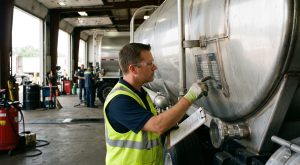
Federal safety leaders have updated the rules for building and fixing cargo tanks. The new rule gives tank builders and repair shops a modern code choice for transport vessels. These updates cut shop costs and add flexibility while keeping dangerous goods safely contained.
Modern Codes for Cargo Tank Construction
The PHMSA Final Rule HM-241 took effect on October 28, 2026. The rule lets shops use the 2015 ASME Boiler and Pressure Vessel Code, Section XII. It also approves the 2015 National Board Inspection Code for ongoing tank service and repairs.
These updated engineering codes apply to highway cargo tanks and cryogenic portable tanks. Covered trailers include common DOT 406, DOT 407, DOT 412, MC 331, and MC 338 models. Federal leaders estimate that this flexible rule will save truck fleets eight million dollars each year.
Builders and fleet owners do not have to drop older tank standards right away. The older ASME Section VIII code stays fully approved for new tank builds and shop work. Having two approved code options helps fleets source parts and schedule shop repairs faster.
Expanding Factory Service for Tank Fleets
Major trailer builders are also growing their repair shops to support complex tank testing. For example, EnTrans International recently bought B&R Repair to rebuild its North American service center network. Factory-backed shops help fleets keep steel and aluminum trailers compliant with federal pressure rules.
Proper shop repairs stop weld cracks and valve leaks before a trailer hits the highway. Fleet managers should verify that their repair vendors hold current stamps for the code they use. Working with certified shops ensures every tank shell meets strict federal safety marks.
Training Shop Teams on Title 49 CFR Rules
Updated engineering codes mean mechanics and safety managers must check their shop forms. Compliance experts at the Bureau of Dangerous Goods stress that Title 49 CFR rules govern every step of hazmat highway transport. Mechanics must record the exact code standard used on every tank test and repair log.
Clean service records protect your fleet during roadside checks and federal terminal audits. Safety directors should train shop staff on the new National Board repair rules right away. Keeping clear tank logs prevents costly fines and keeps your hazmat fleet rolling safely.
Also read: EPA Proposes Digital-Only Hazardous Waste Manifests

