

Motive Launches AI Maintenance To Cut Fleet Costs
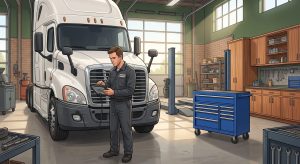
Rising vehicle maintenance expenses remain a massive headache for commercial transportation teams across the country. In fact, eighty percent of fleet professionals name rising repair costs as their biggest operational challenge. Emergency repair rates quietly devour annual operating budgets when parts fail unexpectedly on highway trips. Fortunately, technology providers are building automated systems to catch vehicle mechanical issues earlier. Specifically, Motive recently launched its new AI-powered maintenance software system. You can review official announcement details directly on the Motive newsroom.
Connecting Isolated Fleet Repair Systems
Most fleet leaders currently jump across separate software platforms just to process routine oil changes. However, managing separate databases creates giant communication gaps between shop mechanics and office staff. A work order simply refers to a formal document authorizing repair jobs on fleet vehicles. Sifting through disconnected inspection reports wastes valuable hours every single week. Therefore, Motive Maintenance connects engine fault codes, driver vehicle inspections, and work orders in one platform. Fault codes are digital warning signals generated by vehicle onboard computer sensors during mechanical failures.
Combining repair data into a single system allows managers to spot early maintenance warnings quickly. As a result, shop teams schedule routine fixes before minor parts spark major roadside breakdowns. Preventing emergency roadside service saves thousands of dollars in surprise towing expenses and overtime pay. Furthermore, automated maintenance tracking gives managers complete visibility into total operating costs per mile.
Boosting Vehicle Uptime and Fleet Efficiency
Extended vehicle downtime represents another costly problem for busy commercial freight operations. Downtime simply refers to total hours a truck sits inactive due to mechanical maintenance or repairs. Consequently, keeping vehicles sitting idle inside repair bays directly lowers weekly haul revenue. Motive reports that integrated maintenance platforms increase overall vehicle uptime by eighteen percent.
In addition, automated work orders speed up communication between mechanics and parts suppliers. Faster parts delivery keeps shop bays clear while getting delivery trucks back onto the road promptly. Drivers also appreciate avoiding frustrating engine breakdowns in the middle of urgent delivery schedules. Ultimately, adopting smart maintenance automation protects your operating budget while streamlining everyday shop tasks.
Also read: Fuel Card Programs 101: Control Costs at the Pump

