

Mastering Heavy Fleet Spare Parts Inventory Control
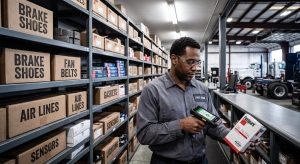
Treating your fleet parts room like a dusty storage closet is an expensive mistake. Misplaced brake shoes sit on shelves while broken trucks sit idle in repair bays. Emergency parts orders with overnight shipping fees will butcher your monthly operating budget. First-year fleet managers must control their spare parts inventory with total precision. You need fast access to critical replacement components to keep your drivers moving.
Setting Up Reorder Points and Fast-Moving Inventory
First, audit your physical shop inventory to establish accurate baseline stock levels. Heavy trucks burn through specific maintenance components like oil filters, air lines, and brake pads quickly. For example, OEM parts platforms from Freightliner Trucks simplify ordering genuine replacement components online. Keeping fast-moving parts in stock prevents simple repairs from turning into multi-day shutdowns.
Second, establish strict reorder points for every critical maintenance item in your shop. Your inventory system should reorder fresh stock automatically when supply levels drop below threshold limits. Consequently, your mechanics never stall a repair job while waiting for basic gaskets or sensors.
Third, implement a secure parts room policy to eliminate missing inventory leaks. Uncounted parts consumption corrupts your financial records and hides actual repair costs from leadership. Therefore, mandate that technicians scan or record every component before installing it on a vehicle.
Integrating Parts Tracking with Fleet Software
Fourth, digitize your parts tracking workflow using modern fleet management software. Platforms like Fleetio Parts Management log parts usage directly onto digital work orders. The system updates inventory counts automatically whenever a technician completes a service ticket. As a result, your shop manager maintains accurate stock counts without tedious manual spreadsheets.
Fifth, connect your inventory system directly with heavy-duty repair shop platforms. Specialized software from Fullbay Parts Software tracks parts markup, core returns, and vendor invoices effortlessly. The platform alerts managers when core returns remain pending with local equipment dealers. Thus, your shop collects every vendor credit earned from returned broken components.
Protecting Repair Budgets and Tech Uptime
Sixth, negotiate bulk pricing agreements with your primary local heavy truck parts suppliers. Establishing preferred vendor contracts saves serious money on high-demand fleet supplies throughout the year. Additionally, strong vendor partnerships ensure priority delivery when rare component failures ground your trucks.
Finally, audit your parts room inventory quarterly to identify obsolete or excess stock. Returning slow-moving components frees up cash flow and keeps your shop shelves organized. Ultimately, disciplined parts management turns chaotic repair delays into smooth, efficient maintenance workflows.
Which spare parts inventory mistake costs your shop the most time and money today?
Also read: Your First Fleet Budget: Know Every Cost Category

