

PHMSA Releases New Nurse Tank Testing Safety Guidance
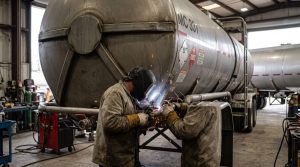
Federal safety leaders have issued new guidance to stop sudden farm tank failures. The safety rules target high-pressure nurse tanks that carry bulk ammonia across rural roads. Fleet managers must understand these testing rules to prevent dangerous tank bursts.
The Threat of Stress Corrosion Cracking
Anhydrous ammonia can cause stress corrosion cracks inside steel tanks over time. These small cracks often start near hot weld seams and grow deep inside the steel. If cracks grow too large, the pressurized tank shell can split open and spill toxic gas.
Recent federal studies show that older farm tanks face big risks from weak welds and metal stress. Safety tests revealed severe weld cracks in many tanks made between 2007 and 2011. The PHMSA Nurse Tank Safety Guide urges owners to test these units before using them again.
Modern Non-Destructive Testing Methods
Simple visual checks cannot find tiny cracks hidden deep within metal welds. Federal guides now suggest using ultrasonic tools to check steel thickness and weld joints. Sound waves bounce through the metal shell to spot flaws without harming the tank.
Safety tests from the FMCSA Research Program show the value of advanced ultrasound tools. These devices scan curved tank heads quickly and help mechanics measure crack depth with ease. Pressure tests with water can also prove tank strength during major shop rebuilds.
Shop Practices for Fleet Maintenance Teams
Fleet shops should test working nurse tanks at least once every five years. Technicians must check the metal data plate on the tank to confirm the build date and maker. Trusted tank builders like Polar Tank Trailer attach strong data plates to help shops track service history.
Shops should keep clean digital records of all thickness and weld tests for each unit. Showing complete test files protects your fleet during sudden state safety audits. Regular testing keeps chemical tanks strong and protects drivers on rural roads.
Also read: Cargo Tank Vapor Valve Testing Rules for Hazmat Fleets

