

Taming Telematics Alerts in Your Rookie Fleet Year
The Daily Alarm Clock of Doom
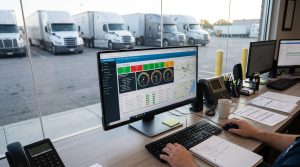
Your telematics dashboard probably looks like a lit Christmas tree right now. In fact, modern onboard telematics devices pull thousands of data points every second. Telematics simply means the automated transmission of computerized data over long distances from your trucks. Naturally, vendors promise that this constant stream of raw information makes life easier. Instead, it often drowns new managers under hundreds of yellow and red warnings before breakfast.
Sorting Fault Codes Without Panicking
Every dashboard alert feels urgent when you are new to the job. However, treating every single warning light like a catastrophic engine failure will ruin your week. Most alerts are Diagnostic Trouble Codes, often called DTCs. These standardized digital codes tell mechanics which vehicle subsystem registered an irregular reading. For example, leading platform providers like Geotab categorize fault codes by immediate operational severity. Therefore, you must establish clear maintenance thresholds with your shop supervisor. Focus first on critical powertrain alerts and active brake subsystem warnings. Minor sensor glitches can safely wait until the truck returns for scheduled maintenance.
Cutting Down Costly Idle Time
Fuel waste represents another massive headache for rookie fleet leaders. Specifically, excessive vehicle idling burns roughly one gallon of diesel per hour for every heavy truck. That wasted fuel quickly burns through your annual operating budget. Consequently, fleet management platforms like Samsara offer automated idle reporting tools to track habits. Do not immediately blame your drivers for every minute of idling time. Drivers often idle their rigs to stay warm or keep cool during federally mandated rest breaks.
You can solve this problem by inspecting the auxiliary power units, or APUs, across your fleet. An APU is a small external generator that powers cab air conditioning without running the primary engine. Furthermore, functional APUs keep drivers comfortable while cutting unnecessary fuel spend dramatically.
Building Sustainable Daily Habits
Good fleet management is a marathon rather than a frantic sprint. As a result, successful managers review exception reports once each morning rather than chasing every real-time ping. Set reasonable alert triggers inside your software so you only see actual emergencies. Your technicians will thank you for the silence. Finally, your drivers will appreciate working for a manager who does not panic over minor sensor hiccups.

