

Taming Fleet Telematics Alerts in Your First Year
The Endless Dashboard Deluge
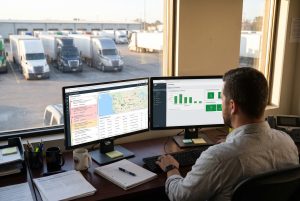
Welcome to the busy world of modern fleet management. You probably took this job to run big trucks. Instead, you stare at blinking computer screens all morning.
Modern tracking tools monitor speed, hard braking, and engine fault codes. In the industry, we call engine error alerts diagnostic trouble codes, or DTCs for short. Consequently, new fleet managers often panic. Every flashing red warning feels like a massive emergency. However, chasing every single digital alert will burn you out by noon.
Sorting Real Faults from Dashboard Noise
You must build a simple alert plan right away. Factory systems from Freightliner deliver instant engine fault details. For instance, their Detroit Connect platform separates severe engine warnings from minor sensor quirks. You can set your alerts to match that exact difference. As a result, critical engine issues get fast shop repairs. Meanwhile, small sensor issues can wait for regular service checks.
Similarly, tracking tools from Geotab help monitor driver habits. Repeated speeding through active work zones demands prompt coaching. On the other hand, a single hard brake behind a bad driver shows safe defense. Therefore, adjust your alert settings to find real driving trends rather than random blips.
Sharing the Data Load with Your Team
You do not have to review every alert alone. Smart fleet bosses share the data load across their entire team. For example, you can send engine codes straight to your head mechanic. Similarly, you can route late delivery alerts directly to your dispatch desk. As a result, you only see the major issues that actually require your attention.
Delegating these digital warnings prevents extreme alert fatigue. Alert fatigue happens when you see too many warnings and start ignoring them all. Consequently, you might miss a critical brake failure alert hidden behind minor tire pressure warnings. Therefore, splitting the alerts keeps everyone sharp and focused on true safety threats.
Moving from Constant Panic to Routine
Furthermore, you should ditch messy paper logs right now. Paper files feel easy, but they create chaos during strict safety audits. Modern tracking devices pull exact mileage straight from the truck engine.
Consequently, automated maintenance plans schedule fluid changes before parts break on the road. Drivers will trust your fleet equipment. Company leaders will enjoy the lower repair costs. Ultimately, successful fleet work relies on steady routines. Filter out the daily digital noise, coach your drivers, and protect your sanity.
Also read: Essential EV Battery Benchmarking for New Managers

