

Hauling Damaged Lithium Batteries Safely by Truck
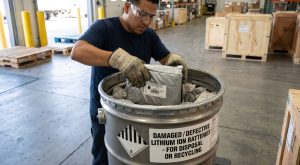
Hauling damaged lithium batteries creates high fire risks for truck fleets. Crushed, wet, or broken cells can short out and cause fast fires. Fleet owners must follow strict rules to move these recalled loads safely on the highway.
Why Damaged Batteries Cannot Fly
Federal safety laws ban bad or recalled lithium batteries from all planes. Because planes cannot take them, commercial trucks must haul these goods by road. This rule puts all safety duties on ground freight carriers.
Emergency teams at HazmatNation warn that battery fires make toxic smoke and high heat. Smoke and gas can build pressure fast inside a closed van trailer. Drivers must know how to spot warning signs like smoke, swelling, or chemical odors.
Strict Box and Packaging Rules
Federal safety rules from PHMSA require special packaging for broken batteries. Each damaged battery must go inside its own plastic wrap to stop electric sparks. Workers must surround that wrap with fireproof material that absorbs heat.
The outer container must be a rigid box or steel drum built to stop fires. The outer box must show bold words reading Damaged or Defective Lithium Battery in large letters. These clear marks warn dock workers and first responders about the fire risk inside.
Driver Training and Route Safety
Training experts at the Bureau of Dangerous Goods say common freight rules do not apply to broken batteries. Shippers and fleets must verify that loads have approved DOT permits before trucks roll. Drivers must also keep shipping papers within arm reach inside the truck cab.
Dispatchers should choose highway routes that stay away from long tunnels and busy cities. Fleets must also train drivers on how to use emergency response books during a fire. Following these safety steps protects truck drivers and stops dangerous battery fires on public roads.

