

Collision Mitigation Tech: Stop Rear-End Truck Crashes
The Costly Reality of Highway Rear-End Crashes
Nothing wrecks a new fleet budget faster than a heavy truck slamming into stopped traffic. A loaded rig needs a long stretch of road to stop from sixty-five miles per hour. In fact, a brief glance away can turn a slow traffic jam into a bad wreck. Rear-end crashes trigger steep insurance hikes, damaged freight bills, and painful safety audits. Many rookie bosses think veteran drivers never need tech help watching the road ahead. However, even your best driver can lose sight of brake lights in heavy rain or sun glare. Your fleet needs smart safety tools that react faster than human eyes ever could.
How Radar and Camera Fusion Stops Trucks Fast
Modern crash-avoidance tools pair windshield cameras with front bumper radars to watch traffic all day. Crash-avoidance tech means active safety gear that warns drivers and hits the brakes automatically. For example, Mack Trucks launched Mack Protect, a built-in safety suite with radar and camera sensors. Similarly, Bendix offers Wingman Fusion to blend camera, radar, and stability controls. Supplier ZF also builds OnGuardMAX to pair camera and radar data for emergency stops. Together, these sensors spot stopped cars early and hit the brakes before a crash happens.
Keeping Sensors Clean and Drivers Trained
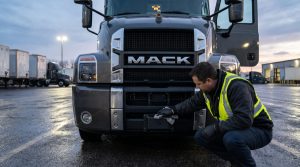
Smart braking tools work wonders, but they still need clean sensors and clear driver rules. First, tell drivers to wipe snow, mud, and dead bugs off front radar covers each morning. Next, warn your team never to put stickers or dash clutter near windshield safety cameras. Never let drivers treat auto-braking as an excuse to tailgate slow cars on busy highways. You should also check forward-crash alerts each week to coach drivers who follow too closely. Therefore, pair active safety gear with daily sensor checks to keep every rig safe. Stopping rear-end crashes saves lives and proves you run a sharp, modern fleet.

