

The New Manager’s Guide to Nocturnal Fleet Safety
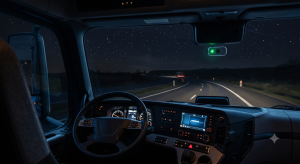
The Midnight Hazard Is Real
Welcome to the night shift. You probably thought managing a fleet meant enjoying a quiet evening at home. However, your trucks do not sleep. Consequently, neither does your fleet’s risk profile.
Recent data paints a very clear, scary picture. Specifically, the 2026 Motive AI Road Safety Report shows that late-night and early-morning hours are incredibly dangerous. Overnight driving carries the highest risk of severe accidents. In fact, collision rates at three in the morning are nearly three times higher than at midday.
Furthermore, drowsiness does not care about your delivery schedule. Drivers face a major safety dip between six and seven in the morning. Therefore, you cannot simply assume your team is fine just because they drank some coffee. Instead, you need a proactive strategy to keep them safe.
Shifting From Forensics to Prevention
In the past, fleet managers acted like detectives. They only looked at dashcam footage after an expensive accident occurred. Thankfully, that old, reactive way of managing is dead.
Today, real-time edge AI does the hard work for you. Modern dash cams do not just record the disaster. Instead, they actively detect drowsy driving, cell phone use, and smoking. The system then plays an immediate audio alert in the cab. Consequently, the driver corrects the behavior instantly.
According to the latest Motive 2026 Guide to AI in Fleet Management, these tools change everything. Fleets using this tech can reduce distracted driving by over eighty percent. That is a massive win for your insurance premiums and your sanity.
Focus on Near-Collisions First
Do not wait for a major crash to change your coaching. Instead, start tracking near-collisions right now.
Motive’s data reveals a fascinating trend. For every single actual collision, fleets experience seven near-collisions. These close calls are excellent teaching moments. Specifically, they highlight risky habits before metal actually meets metal.
Therefore, you should use these events to build a positive coaching culture. Do not just scream at drivers for errors. Instead, show them the data and help them improve.
Your Next Steps
Stop staring at endless, confusing dashboards. Talk to your telematics provider about proactive AI alerts. Ultimately, your drivers will get home safely, and you might actually get some sleep.
Also read: AI In-Cab Coaching Cuts Accidents. Here’s the Proof.

