

EPA Delays Clean Water Act Response Plans by Three Years
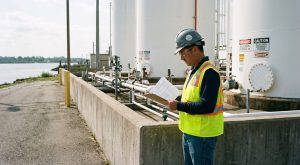
Federal regulators have given industrial facilities more time to prepare for strict environmental rules. The Environmental Protection Agency has delayed the deadline to submit Facility Response Plans by three full years. Onshore facilities storing hazardous substances near water now have until June 2030 to complete these critical safety reports.
Understanding the Facility Response Plan Delay
This major delay applies to non-transportation-related onshore facilities holding dangerous chemicals covered under the Clean Water Act. The rule targets locations where a worst-case chemical spill could cause heavy damage to nearby rivers, shorelines, or coastal zones. Facility owners must submit these plans to show they can handle massive accidental discharges safely.
According to a regulatory update from J.J. Keller, the final rule goes into effect on December 14, 2026. Older facilities operating before November 2029 will now use the June 1, 2030 deadline for their initial submissions. Any newly constructed facility built after that date must submit a complete plan before starting active operations.
The delay gives fleets and facility owners extra time to inspect storage areas and draft emergency spill steps. Taking action early ensures your liquid bulk operations remain compliant when the 2030 enforcement date arrives. Delaying the rule allows teams to use better planning tools and avoid rushed compliance mistakes.
Removed Evaluation Requirements
The federal agency also removed several specific evaluation factors from the final response plan requirements. Facilities no longer need to include climate change resilience plans or severe weather vulnerability data in their hazard reviews. The updated rules also drop the requirement to study potential spill impacts on local communities with environmental justice concerns.
The removal of these climate and social factors narrows the scope of standard hazard risk reviews. Environmental managers can focus strictly on the physical containment and cleanup of hazardous spills. The decision aligns the Clean Water Act requirements with current federal administrative policies.
Despite these changes, the basic duty to prevent hazardous spills remains as strict as ever. Covered companies must still submit a Substantial Harm Certification Form along with their finalized facility response plans. Safety teams must make sure every secondary containment dike and drain gate meets high standards.
Preparing Your Facility for Compliance
Fleet owners operating bulk storage terminals should use this extra time to review their emergency spill plans. Ensuring every valve, hose, and tank can handle pressure avoids accidental discharges and massive environmental fines. It also helps to train transport staff on the exact procedures for containing chemical leaks.
The three-year extension is not a pass to ignore spill preparedness. It is a valuable opportunity to build better responder relationships and improve emergency equipment stocks. Work closely with local fire departments to run mock spill drills and confirm contact protocols.
Keeping meticulous records of your inspections and containment checks will help protect your operations during audits. Clear, up-to-date plans prove to inspectors that your facility takes chemical containment seriously. Stay informed of shifting federal timelines to protect your business and the natural environment.
Also read: Smart Tanker Tech Cuts Hazmat Tire and Weight Risks

