

PHMSA Rules Allow Video Cargo Tank Inspections
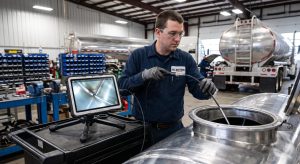
New PHMSA Rules Modernize Tank Inspections
Federal regulators have updated safety standards for cargo tank motor vehicles. The Pipeline and Hazardous Materials Safety Administration, known as PHMSA, recently finalized modern rules for hazmat transport.
These changes give fleet operators new ways to inspect equipment and maintain mandatory records. Mechanics can now use advanced digital tools during routine tank testing.
The updated rules aim to reduce downtime while keeping safety standards high across the dangerous goods industry.
Video Optics Approved for Internal Tests
Inspectors can now use video cameras and video optics equipment to inspect cargo tank interiors. Previously, technicians often had to enter tight tank compartments or use basic mirrors to check internal welds and liner walls.
Video optics give certified inspectors a clear view of hidden tank damage without risking worker safety. High-definition cameras capture fine cracks, corrosion spots, and liner defects inside deep compartments.
Equipment builders like Tremcar design specialized stainless steel and aluminum tank trailers that benefit from precise visual inspection. Using video optics speeds up annual external and internal visual inspections.
Transition to Digital Compliance Documents
The federal update also allows fleets to transition from paper documents to electronic emergency response information. Drivers and safety directors can now store required hazmat documentation on digital screens and mobile devices.
Electronic records must remain immediately accessible during transit and roadside safety stops. Fleet managers must ensure digital systems maintain high uptime and offline accessibility if cell coverage fails.
According to FMCSA safety guidelines, motor carriers can keep paper records as a backup while testing new digital workflows.
Modern Reflective Coverings and Maintenance
The new rules also approve external reflective coverings other than standard paint for cargo tank motor vehicles. These high-visibility materials help drivers see bulk tankers at night while meeting federal conspicuity standards.
Component suppliers like Civacon continue to develop smart sensors and valves that pair with modern tank inspection tools. Fleet mechanics should update their shop procedures to include video inspection records and electronic safety files.
Updating your shop tools and driver training ensures your fleet remains compliant and audit-ready. Modern inspection technology protects your drivers, reduces shop hours, and keeps dangerous goods moving safely.
Also read: A Guide to Managing Flammable Materials Truck Fleets

