

AI Moves to the Edge (and Into Your Cab, Whether Drivers Like It or Not)
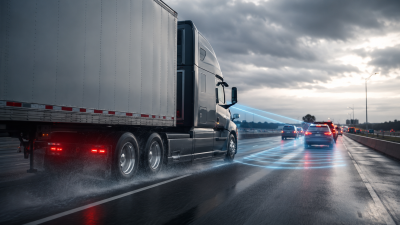
Remember when a dashcam was just a camera? It sat on the windshield, recorded video, and occasionally exonerated your driver when a sedan decided to brake-check a 40-ton vehicle. Simpler times.
In 2026, calling these devices “dashcams” is like calling your smartphone a “telephone.” The camera is now the least interesting part. The interesting part is the computer bolted to it — and this year, the industry’s biggest players have made it clear that the future of fleet safety isn’t recording what happened. It’s interrupting what’s about to happen.
The Big Shift: From Evidence to Intervention
The first generation of fleet cameras was essentially a legal defense product. Something bad happened, you pulled the footage, and you either coached the driver or handed the clip to your insurance company like a game-winning poker hand.
The second generation added cloud AI: footage got uploaded, algorithms flagged risky events, and a safety manager reviewed clips days later — usually while eating a sad desk lunch. Better, but still fundamentally after-the-fact. The crash you’re reviewing already happened. Congratulations on your very detailed documentation of it.
The third generation — the one arriving in product announcements all over 2026 — moves the AI onto the vehicle itself. “Edge AI,” if you want to sound smart at your next conference. The processing happens in real time, on the device, no cloud round-trip required. Which means the system can do something no highlight reel ever could: warn the driver *before* the bad thing happens.
What Actually Launched This Year
This isn’t vaporware season. Three concrete examples from just the past few months:
Motive’s Edge AI platform**, unveiled in May, pushes serious processing power (courtesy of a Qualcomm partnership) onto the vehicle itself. Motive’s pitch is that the dashcam is becoming the fleet vehicle’s brain — detecting risk, understanding context, and acting on it locally instead of phoning home to a data center and hoping the cell signal cooperates.
Pro-Vision’s AI-equipped camera and inline processing module**, announced in June, targets the unglamorous-but-deadly stuff: lane changes, merging, and reversing. The system uses computer vision to spot pedestrians and vehicles in real time and fires audible and visual alerts in the cab. The clever bit is the inline module, which retrofits real-time AI detection onto existing vehicle cameras — meaning you don’t have to rip out your current hardware to get into the game. Your CFO just felt a disturbance in the Force, and for once it was a pleasant one.
Geotab’s GO Focus dashcams** deliver instant in-cab voice coaching, so drivers get corrected in the moment — by the truck — rather than three days later by a safety manager reading from a clip queue. Whether drivers prefer being nagged by a robot or a human remains an open research question. Early evidence suggests they dislike both equally, but the robot doesn’t have to schedule a meeting for it.
Why Fleet Managers Should Actually Care
Beyond the shiny-new-toy factor, edge AI changes the math in a few real ways.
**Coaching happens at the only moment it works.** Behavioral research is pretty unambiguous: feedback delivered instantly changes behavior; feedback delivered next Tuesday changes nothing except the driver’s opinion of you. In-cab, real-time alerts close that gap.
Your safety manager stops drowning in clips. When the device itself filters and intervenes, the human reviews the genuinely serious events instead of scrubbing through forty videos of “hard braking” that turned out to be a squirrel.
Less video leaves the truck. On-device processing means less footage streaming to the cloud, which is good news for your data bill and slightly-less-terrible news for drivers who feel like they’re starring in a reality show nobody asked for. Privacy objections don’t vanish, but “the video mostly stays on the truck” is a better conversation opener than the alternative.
The Catch (There’s Always a Catch)
Real-time alerts are only as good as their tuning. A system that cries wolf every time a shadow crosses the lane will be muted, taped over, or “accidentally” unplugged within a month — drivers are remarkably resourceful. Configurable detection zones and honest pilot testing matter more than spec-sheet bravado. Run a pilot, get driver feedback, and take it seriously.
The dashcam grew a brain in 2026. The fleets that win will be the ones who teach it manners before rolling it out to 500 trucks.
*Fleet Connection tracks the technology reshaping commercial fleets. Evaluating camera platforms? Start with a pilot — and start with us.*

