

How Near-Miss Data Predicts Your Next Fleet Collision
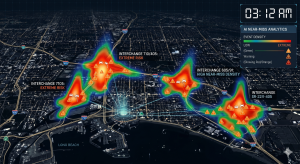
Seeing the Danger Before the Damage
For years, fleet managers have used accident reports to figure out how to stay safe. They would look at a crash and try to make sure it never happened again. But according to the 2026 Motive AI Road Safety Report, waiting for a crash to happen is a mistake. The report shows that for every single collision, there are actually seven “near-misses” or close calls.
A near-miss is a moment where a crash almost happened but was avoided at the last second. In the past, these moments were invisible. No one wrote a report because no one got hurt. Today, AI dashcams see every one of them. By looking at these close calls, companies can see where the real danger is hiding. It is like having a weather forecast for accidents—you can see the storm coming before the first drop of rain hits the windshield.
The 3:00 AM Danger Zone
One of the most shocking findings in the 2026 study is how much timing matters. The data shows that the risk of a crash is not the same all day long. In fact, collision risk peaks at 3:00 AM. During this hour, the chance of having an accident is three times higher than it is at noon.
There are a few reasons for this “danger window.” At 3:00 AM, drivers are often at their most tired, and visibility is very low. Even if the roads are empty, the risk is high because of fatigue. The Motive report found that behaviors like lane swerving and yawning spike during these early morning hours. By using near-miss data, managers can see which drivers are struggling at 3:00 AM and give them the coaching or rest they need before a “close call” turns into a tragedy.
Turning Data into Better Driving
Using near-miss analytics is changing how drivers are coached. Instead of getting in trouble after an accident, drivers get a “heads up” based on their recent data. If the AI detects that a driver has had several near-misses due to following too closely or hard braking, the manager can talk to them right away.
This proactive coaching is a win-win. It helps drivers stay safe and keeps their records clean. It also saves the company money on insurance and repairs. As the 2026 report highlights, the goal is no longer just to record what happened. The goal is to use every piece of data to ensure that every driver makes it home safely at the end of their shift.
Reference Links:
Also read: AI Dash Cams and AEB Rules Take Aim at Rising Road Risk

