

New Asset Tracking Metrics Prevent Costly Fleet Losses
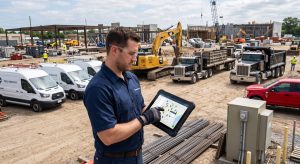
Equipment security directly impacts overall fleet productivity and operational safety. Therefore, fleet managers must secure valuable mobile tools actively. A new report from Samsara highlights massive operational losses across mid-size transport operations. Unmonitored job sites face severe equipment theft every single quarter. Consequently, missing gear causes project delays and expensive work shutdowns. Operations teams lose thousands of dollars replacing stolen sensors and specialized tools. For example, missing equipment forces fleets into costly emergency rentals.
Uncovering Hidden Operational Downtime Costs
Many leaders assume heavy machinery accounts for most field losses. However, smaller tools cause seventy-two percent of total operational damage. Employees waste valuable hours searching for missing field items each week. In fact, workers spend ten hours weekly hunting for misplaced gear. John Chaccour, Director of Technology at Total Safety, addressed this tracking challenge. He noted that real-time visibility prevents crew delays completely. Furthermore, tracking technology restores lost operational hours across field locations. Teams focus on customer service rather than searching for lost assets.
Mitigating Risk Through Real-Time Location Tracking
Untracked operations face higher risks of seven-figure financial hits. As a result, fleet directors adopt compact tracking devices rapidly today. Modern tags withstand harsh outdoor weather conditions on active job sites. In addition, connected networks deliver precise location updates to dispatchers instantly. Managers identify missing items before crews depart service stations. Indeed, proactive tracking eliminates secondary rental costs and contract penalties. Companies recover stolen high-value equipment much faster with real-time maps.
Cultivating Total Fleet Equipment Accountability
Long-term fleet protection requires consistent operational policies across all divisions. Executive leaders must enforce tool check-in routines after every shift. Moreover, clear tracking rules empower drivers to protect company property. Regular audits keep inventory records accurate across all terminal branches. Thus, transparent accountability prevents unnecessary replacements and equipment shortages. Reliable asset visibility keeps commercial crews focused on daily road tasks. Safety directors lower liability risks by maintaining complete site oversight. Ultimately, securing equipment safeguards business capital and improves overall productivity.
Also read: What the insurance companies don’t want you to know

