

Telematics 101: What the Data Is Actually Telling You
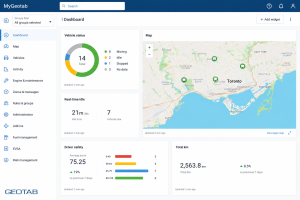
Your telematics system is generating data right now. Vehicle locations, engine hours, driver behavior events, fuel consumption, idle time — it never stops. For a new fleet manager, that volume of information can feel less like insight and more like noise. The good news is that you do not need to understand everything at once. You just need to know which reports actually move the needle.
What Telematics Actually Collects
First, let’s define what we mean by telematics. Fleet telematics combines GPS, sensors, and software to track vehicles in real time. It helps fleets save fuel, prevent breakdowns, and improve safety. Managers view results in real-time dashboards and reports accessible on web or mobile apps. Tracki
The device connects directly to a vehicle’s OBD port or integrates with the engine control module. From there, it pulls a continuous stream of operational data. Fleet management telematics software can help you monitor all company assets around the clock. You can track data such as vehicle location, speed, and usage, as well as aggressive driving behavior such as swerving, severe braking, and hard acceleration. Powerfleet
That is a lot of data points. So where do you start?
The Five Metrics That Actually Matter
The top five metrics that directly impact your bottom line include fuel consumption, engine idle time, harsh driving events, vehicle diagnostic codes, and asset utilization rates. Alliance
Start with these five before you go digging into anything else. Each one tells a clear story about a specific problem area. Together, they give you a quick snapshot of your fleet’s operational health every single day.
Idle Time: The Quiet Budget Drain
Idle time is one of the easiest wins for a new fleet manager. Every minute a truck sits running and going nowhere is fuel burned with zero return. In 2026, industry leaders target an idle time of less than 5%. If your fleet is running well above that threshold, you have a straightforward coaching opportunity with your drivers. Alliance
Pull your idle time report weekly. Look for patterns by driver, route, or time of day. Then address those patterns directly in your next driver meeting.
Harsh Driving Events: Where Safety Meets Cost
Harsh braking, hard acceleration, and sharp cornering all show up in your telematics reports as “events.” These are not just safety flags. They also translate directly into accelerated wear on brakes, tires, and drivetrain components. Industry leaders target a 10% year-over-year reduction in harsh braking events. Alliance
Furthermore, these events carry weight in your CSA scoring if they lead to violations or accidents. Use the data to coach drivers individually rather than calling out names in a group setting.
Diagnostic Codes: Your Early Warning System
Advanced telematics solutions can monitor engine performance, tire pressure, and brake systems, flagging potential problems well in advance. When a diagnostic trouble code appears on your dashboard, it means the vehicle is telling you something before it breaks down on the side of the road. Respond quickly, every time. michelin
Establish a clear process: who gets the alert, who schedules the repair, and what the turnaround time expectation is. Without that process, alerts sit in inboxes and trucks go out of service anyway.
Asset Utilization: Are Your Trucks Working?
Asset utilization measures how much time your vehicles are actually being used versus sitting idle in your yard. Low utilization on specific units can signal route inefficiencies, scheduling gaps, or vehicles that simply are not pulling their weight in the operation.
You can track your fleet’s overall performance against key performance indicators that you define, then break the data down by teams or divisions to spot undesirable trends and make strategic decisions. Powerfleet
Turning Reports Into Action
Data without action is just a very expensive filing cabinet. Set a weekly review rhythm. Spend 30 minutes each week looking at your top five metrics. Flag anything that is trending in the wrong direction. Then follow up with drivers, dispatchers, or your maintenance team based on what you see.
Fleet managers now connect fuel cards, maintenance systems, HR software, and safety platforms to create seamless data flow. As you grow into the role, integrating those systems will help you see the full picture instead of managing separate siloed reports. Safety Track
For a deeper look at telematics platform options, Geotab’s fleet telematics guide is a solid starting point: https://www.geotab.com/blog/fleet-telematics-safety-efficiency-guide/
Also read: Stop the Squeal: New Heavy-Duty Braking Technology

