

Why Passive Dashcam Recording is No Longer Sufficient
The End of Just Watching
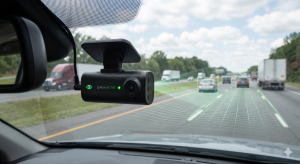
For many years, dashcams were like silent witnesses. They recorded what happened on the road and saved the video to be watched later. If a driver got into an accident, the manager would look at the footage to see what went wrong. This is called “passive recording,” and according to the Lytx 2026 Road Safety Report, it is no longer enough to keep fleets safe.
The industry is moving toward a new standard called “Real-Time Intervention.” Instead of just recording an accident, modern cameras are designed to prevent it from happening in the first place. This shift is necessary because road risks are changing. The 2026 report found that while severe crashes are down, lower-severity incidents are actually rising. This means fleets need a more active way to help their drivers stay focused every second they are behind the wheel.
A Computer Brain in the Cab
The biggest change in 2026 is the technology inside the camera. New AI dashcams shown at recent events like NAFA 2026 do not just have lenses; they have powerful “brains.” These cameras run more than 30 different neural network models at the same time. A neural network is a type of AI that learns to recognize patterns just like a human does.
These models look for very specific signs of danger. They can tell if a driver is rubbing their eyes from fatigue or if they have looked away from the road for too long to check a phone. Because the computer is inside the truck, it can detect these behaviors in milliseconds. When the AI sees a risk, it gives the driver an instant audio alert. This “tap on the shoulder” helps the driver fix their behavior before a mistake becomes a collision.
Cutting Distraction by the Numbers
This new standard is already showing massive results. Data from 2026 shows that fleets using real-time AI cameras saw a 60% drop in distracted driving incidents within just the first three months. By stopping things like cell phone use and “microsleep” (falling asleep for a few seconds), companies are preventing the most common causes of crashes.
It is also helping drivers feel more supported. Instead of getting a phone call from a boss days after a mistake, drivers get a helpful alert the moment they need it. This immediate feedback helps them build better habits on their own. As we move through 2026, the goal for every fleet is clear: use technology to bring every driver home safely, every single day.
Reference Links:
Also read: 5 Simple Steps to Manage Insurance Costs

