

CVSA Brake Safety Blitz Focuses Fleet Maintenance
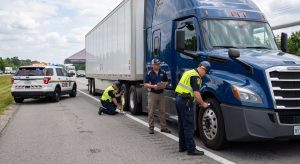
Roadside inspections directly impact fleet operational efficiency and overall safety metrics. Therefore, fleet leaders must align daily maintenance routines with upcoming enforcement blitzes. President of the Commercial Vehicle Safety Alliance, or CVSA, announced Brake Safety Week for August 23-29. Consequently, commercial carriers face strict roadside checks across North America. Inspectors will focus specifically on brake drums and brake rotors during these inspections. In addition, any critical brake defect puts the vehicle out of service immediately.
Preparing Teams for Brake Inspections
Brake system failures remain a primary cause for roadside out-of-service citations. However, systematic pre-trip inspections eliminate standard mechanical violations easily. Fleet technicians must measure pushrod travel and check air lines continuously. Furthermore, drivers should report minor braking issues before departing the shop terminal. Proper brake adjustment protects drivers and preserves company safety scores consistently. In fact, proactive shop maintenance prevents expensive roadside towing expenses. Safety managers should conduct mandatory refresher workshops before the official enforcement window begins.
Navigating Recent Regulatory Changes
In addition to physical vehicle safety, electronic compliance demands constant managerial oversight. The Federal Motor Carrier Safety Administration, or FMCSA, recently removed five non-compliant devices from its registered logging list. Therefore, safety directors must audit driver logs to ensure full regulatory compliance. Operating revoked devices leads to immediate record-of-duty status violations during roadside stops. As a result, fleet managers need to replace unapproved logging hardware promptly. Continuous compliance safeguards operating licenses and keeps freight moving without interruption.
Strengthening Fleet Safety Cultures
Equipping technicians with proper inspection tools creates long-term operational resilience. Indeed, clear communication between drivers and mechanics prevents costly fleet delays. Executive leaders should recognize team members who consistently maintain clean inspection records. Moreover, celebrating compliance successes builds a strong workplace culture across all corporate divisions. Reliable maintenance protocols reduce severe highway accidents and lower insurance premiums. Ultimately, thorough preparation turns roadside inspection blitzes into opportunities for operational excellence.

