

Great News: The Dreaded 5-MPH DEF Derate Is History
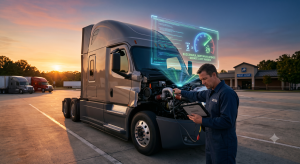
The Dreaded Limp Mode is Dead
Welcome to your first year in fleet management. You probably expected to deal with flat tires and angry customers. Instead, you are likely spending your days arguing with broken diesel exhaust fluid (DEF) sensors. Every fleet manager knows the absolute horror of the five-mile-per-hour derate.
Fortunately, your endless nightmares are finally coming to an end. The Environmental Protection Agency recently issued sweeping changes to its diesel rules. Consequently, the days of your trucks crawling along the highway at walking speed are officially over.
Raising the Speed and the Clock
Under the old regulatory logic, a minor sensor glitch would immediately disable a perfectly good truck. It felt like the government wanted to punish you for breathing.
Thankfully, the major truck manufacturers are rolling out software updates to fix this mess. Specifically, PACCAR implemented massive changes for Peterbilt and Kenworth trucks equipped with MX-11 and MX-13 engines.
First, the final inducement speed limit jumped from five to twenty-five miles per hour. That is actually fast enough to safely reach a repair shop. Second, the countdown to that penalty stretched from a stressful four hours to a generous one hundred and sixty hours.
Therefore, your drivers now have nearly a full week to address emissions faults. In addition, Daimler Truck North America is updating over three hundred thousand Freightliner and Western Star trucks with similar software. Your dispatchers can finally breathe a sigh of relief.
Say Goodbye to DEF Sensors Entirely
The regulatory rollback does not stop with longer timelines. The federal government went even further this year.
Specifically, the official 2026 EPA guidelines completely removed the requirement for traditional urea quality sensors. For years, these unreliable parts triggered false emissions alerts and stranded healthy trucks.
Instead, manufacturers can now use nitrous oxide (NOx) sensors to monitor compliance. This shift will save American fleet operators billions of dollars. Ultimately, it turns a potential roadside emergency into a simple, scheduled maintenance task.
What You Need to Do Next
These software updates are not mandatory, but you would be crazy to skip them. Reach out to your local Kenworth, Peterbilt, or Freightliner dealer immediately. Get your 2018 and newer trucks scheduled for a quick software flash. Your drivers, your dispatchers, and your sanity will definitely thank you.

