

How First-Year Fleet Managers Stop Tire Blowouts
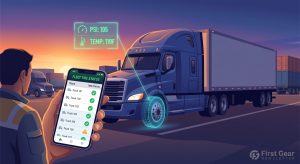
You probably expected engine overhauls or driver shortages to keep you up at night. However, a humble underinflated tire will gladly ruin your entire weekend. Tire blowouts remain one of the most common causes of unexpected roadside delays. Fortunately, modern digital tire monitoring systems give you real-time visibility before tires fail.
Understanding Smart Tire Sensors
Traditional pre-trip inspections rely on drivers kicking tires or using manual pressure gauges. Unsurprisingly, busy drivers sometimes skip these manual checks during late-night shifts. Today, advanced tire pressure monitoring systems automate the inspection process completely. For example, sensors from Bridgestone measure internal pressure and temperature every two minutes.
Furthermore, these smart sensors alert fleet managers immediately when pressure drops below safe thresholds. In fact, studies show proactive tire tracking reduces tire-related downtime by up to forty percent. Consequently, your drivers avoid dangerous highway blowouts while keeping deliveries strictly on schedule.
Cutting Fuel and Maintenance Expenses
Underinflated tires do more than just risk sudden roadside blowouts on busy highways. Indeed, driving on soft tires drastically increases rolling resistance and wastes expensive diesel fuel. For instance, digital monitoring platforms built by Continental estimate savings up to fifteen hundred dollars per truck annually.
Proper inflation also preserves the structural integrity of expensive tire casings for future retreading. Therefore, maintaining correct pressure extends overall tire lifespan across your entire fleet. In addition, automated system reporting saves your shop mechanics valuable time during routine yard inspections.
Implementing Automated Tire Management
Starting a smart tire program does not require replacing your entire vehicle fleet at once. Instead, you can install simple valve-stem sensors on existing commercial trailers and tractors. Moreover, connected technologies from Goodyear integrate directly into existing telematics dashboards.
First, establish automated alerts for slow pressure leaks across your active routes. Next, instruct your shop team to service flagged tires during normal downtime windows. Overall, adopting digital tire tracking turns unpredictable roadside emergencies into simple scheduled shop tasks.
Also read: Tire Violations Follow the Thermometer — Why Summer Is Your Riskiest Season

