

How AI Dash Cams Cut Fleet Collision Rates Fast
The New Standard for Fleet Safety
Welcome to your first year on the job. You might think video cameras exist only to spy on your drivers. However, modern artificial intelligence has completely transformed these tools into active safety partners.
Recent benchmark data from Samsara shows compelling results. Fleets using full AI safety tools reduce collisions by nearly 75 percent over 30 months. That is a massive drop in real-world risk. Consequently, insurance carriers and executive teams pay close attention to these numbers today.
Beyond Simple Event Video Recording
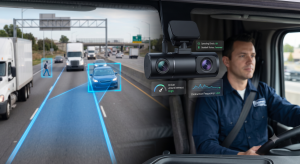
Legacy cameras only recorded footage when a hard brake occurred. Unfortunately, you only reviewed incidents after danger already happened. Today, intelligent dual-facing cameras evaluate risk in real time inside and outside the cab.
Furthermore, in-cab speakers notify drivers the instant they glance at a smartphone or exceed speed limits. As a result, drivers correct risky habits before a minor distraction turns into a major accident. In fact, fleets see an 84 percent drop in mobile phone usage within six months.
Turning Data into Driver Trust
Installing cameras can make veteran drivers nervous at first. Nobody likes feeling watched while working. Therefore, your success relies heavily on clear communication and fair coaching workflows.
First, focus initial reviews on positive driving behavior rather than punishments. Celebrate smooth stops and great defensive maneuvers publicly. Additionally, show drivers how video footage protects them against false accident claims. Ultimately, when drivers realize video proves their innocence, resistance disappears quickly.
Building Your Long Term Safety Plan
Do not expect overnight miracles across your entire operation. Instead, treat safety technology as an ongoing operational partnership.
Start by tracking your top three risk metrics during your first quarter. Next, establish weekly coaching sessions for high-risk drivers. Small consistent improvements add up to dramatic crash reductions over time. Consequently, your fleet stays safer while your operating margins remain healthy.
Also read: Telematics 101: What the Data Is Actually Telling You

