

Mastering Real Time AI Fleet Driver Safety Coaching
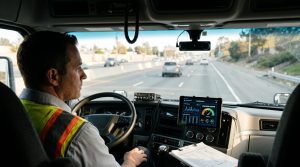
Waiting three days to review video footage after a highway collision is an obsolete safety strategy. Traditional dashcams record bad driving, but they fail to stop accidents before damage occurs. Nuclear jury verdicts and rising insurance premiums can quickly crush a growing freight business. First-year fleet managers must deploy proactive artificial intelligence to protect drivers on every shift. You need real-time edge AI coaching to fix risky habits before accidents happen.
Cutting Crash Risks with Edge AI Detection
First, modern smart cameras process video data directly on the hardware inside the truck cab. Advanced sensors instantly detect subtle signs of driver fatigue, phone distractions, and close tailgating. For example, edge AI systems from Motive identify fatigue indicators and trigger instant alerts automatically. Correcting unsafe driving in real time helps prevent severe collisions on open highways.
Second, smart video telematics distinguish between low-risk slipups and severe driving hazards accurately. Contextual AI models analyze weather conditions, traffic density, and vehicle speed simultaneously. Therefore, systems reduce false alerts and build genuine trust with your professional drivers.
Third, expanded camera systems offer complete visibility around bulky trailer blind spots. Modern hardware configurations from Lytx provide auxiliary views for side lanes, rear doors, and cargo areas. As a result, drivers navigate crowded loading docks and tight urban intersections with total confidence.
Automating In-Cab Coaching and Audio Briefings
Fourth, deliver instant audio coaching feedback to drivers while they are behind the wheel. Two-way voice alerts encourage operators to put down cell phones or adjust trailing distance immediately. Solutions like Samsara offer personalized start-of-day audio briefings to warn drivers about upcoming route risks. Consequently, drivers start every haul with clear awareness of potential weather or traffic hazards.
Fifth, route minor safety events directly to drivers for private self-coaching inside mobile apps. Allowing drivers to review their own minor mistakes saves administrative time for busy safety directors. Additionally, self-coaching empowers drivers to improve their personal safety scores independently.
Streamlining Manager Workflows for High-Risk Drivers
Sixth, focus your managerial coaching time on the small percentage of truly high-risk events. AI telematics platforms automatically filter thousands of routine driving hours into prioritized risk queues. For instance, integrated fleet safety software from Geotab surfaces critical incidents that require immediate human intervention. Thus, safety managers spend time having meaningful conversations instead of sorting through endless video clips.
Finally, leverage improved safety metrics to negotiate better underwriting terms with commercial insurance carriers. Fleets that demonstrate measurable collision reductions enjoy lower insurance premiums and lower operational risk. Ultimately, real-time AI safety technology transforms dangerous road hazards into predictable driver success.
Also read: AI In-Cab Coaching Cuts Accidents. Here’s the Proof.

